

19 Mar March 21st Is World Down Syndrome Day
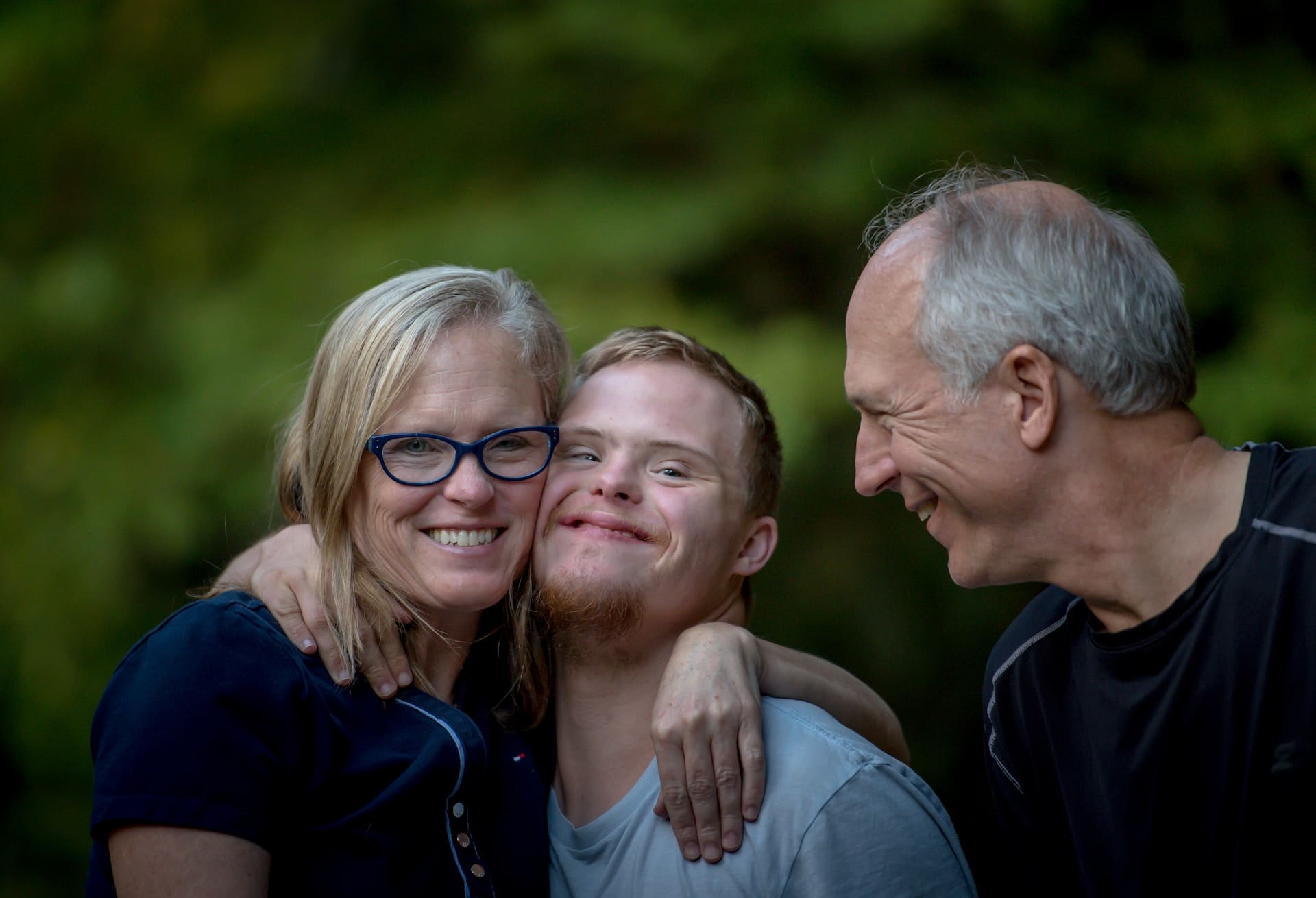
When Maria and David learned their newborn son would have Down syndrome, they felt a wave of love and uncertainty all at once. They wanted to give Eli every opportunity in life, but they also knew the road ahead would require careful planning.
One of the first questions their parents asked was: “Have you started thinking about Eli’s future financial needs?” They hadn’t—not yet. So they contacted an experienced estate planning attorney, and set up a plan that would protect their son for the rest of his life.
Their story is not unusual. Across the country, millions of families face the same crossroads and discover that estate planning for families with a loved one who has Down syndrome is not just smart. It is essential.
World Down Syndrome Day is recognized on March 21st each year. The date, 3/21, represents the triplication of the 21st chromosome that causes Down syndrome. This day is a global opportunity to celebrate the abilities and contributions of people with Down syndrome. It’s also a good day for raising awareness about the support and planning needed to secure a fulfilling future for loved ones with special needs.
Down Syndrome Facts and Statistics
- Down syndrome occurs in approximately 1 in every 700 births in the United States, according to the CDC.
- There are currently more than 200,000 people living with Down syndrome in the U.S.
- Life expectancy has risen dramatically, from 25 years in 1983 to more than 60 years today, making long-term planning more critical than ever.
- According to the National Institutes of Health, advances in medical care have dramatically improved the quality of life for individuals with Down syndrome.
- Many adults with Down syndrome live semi-independently, hold jobs, and actively participate in their communities.
Setting Up a Special Needs Trust
One of the first things Maria and David did was set up a special needs trust for Eli. This way, they’ll be able to set aside funds for supporting Eli without jeopardizing his eligibility for government benefits.
For instance, leaving a substantial inheritance for Eli in their will would disqualify him from receiving vital benefits. Or, if Eli’s grandparents wanted to make a lump-sum gift every year, any more than $2,000 would put him over the limit for Supplemental Security Income.
A special needs trust is specifically designed to avoid these problems. If you leave an inheritance to someone with a disability, it is considered part of their income and it could disqualify them from the government benefits they rely on. However, the assets in a special needs trust do not count toward the beneficiary’s income.
A special needs trust can be used to pay for things like:
- Healthcare expenses not covered by Medicare or Medicaid
- Education, vocational training, and technology
- Recreation, travel, and social activities
- Personal care items and companionship services
- Housing modifications and adaptive equipment
Special Needs Trusts in Arizona
- Arizona follows federal guidelines for third-party special needs trusts. This means that assets placed in the trust by a parent or grandparent do not require a Medicaid payback provision.
- A self-settled or first-party trust in Arizona that receives funding from the disabled person’s own assets does require a Medicaid payback provision.
- The trustee must act in the beneficiary’s best interests and maintain detailed records of disbursements.
How to Plan for Special Needs Care When You Are a Guardian
For parents of minor children with Down syndrome, estate planning involves a few more steps than setting up a trust. It also means that you need to consider what might happen if you can no longer serve as a caregiver.
A comprehensive plan for guardians typically includes:
- A durable power of attorney that authorizes your agent to manage financial decisions on your behalf if you are ever incapacitated
- A healthcare directive or medical power of attorney for medical decisions
- A letter of intent (sometimes called a “road map”) that explains your child’s daily routine, preferences, medical history, and personal relationships
- A carefully selected alternate guardian who understands your child’s needs
- Designating the special needs trust as the beneficiary of your life insurance policy
Planning for any contingency now is the best way to protect a special needs child in the future. Many families put this step off because it feels overwhelming. But addressing these decisions early on gives you the freedom to adjust the plan as your child’s needs evolve.
Estate Planning for Families with Special Needs Children
Whether you are beginning to explore your options or ready to establish a special needs trust in Arizona, our team is ready to help. Estate planning isn’t just a legal process. It is one of the most meaningful things you can do to protect your child.
If you are the parent or guardian of a special needs child, or would like to leave an inheritance for a Down Syndrome grandchild, schedule a personalized consultation at Phelps LaClair. Our attorneys can answer all of your questions and help you find the best ways to support your loved one in the future.
Photo by Nathan Anderson on Unsplash with permission under the Creative Commons license for commercial use 3/15/26.